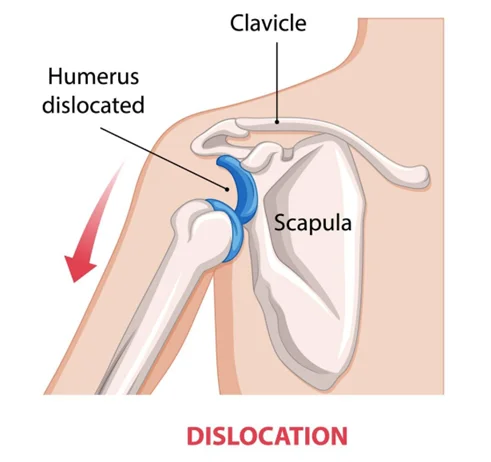
Dislocations happen when something pushes the bones in your shoulder joint out of their usual place. Falls, sports injuries and car accidents are the most common causes. Never try to force your shoulder back into place. Keep your arm still and close to your side and go to the emergency room right away if you think your shoulder is dislocated.
A joint is any place in body where two bones meet. Shoulder joint is where the round ball at the top of your upper arm bone (Humerus) fits into the socket (glenoid) of your shoulder blade (scapula). Shoulder dislocation occurs when head of humerus(ball) displaces out of glenoid socket and the ball and socket connection of shoulder joint is disrupted. This can damage muscle, ligament, nerve and blood vessels around the joint.
Types of dislocated shoulders
Shoulders are the most commonly dislocated joint.
Force strong enough to push your shoulder joint out of place can cause a dislocation. The most common causes include:
The most common complications of shoulder dislocation are damage to the bones and tissues around your shoulder, including:
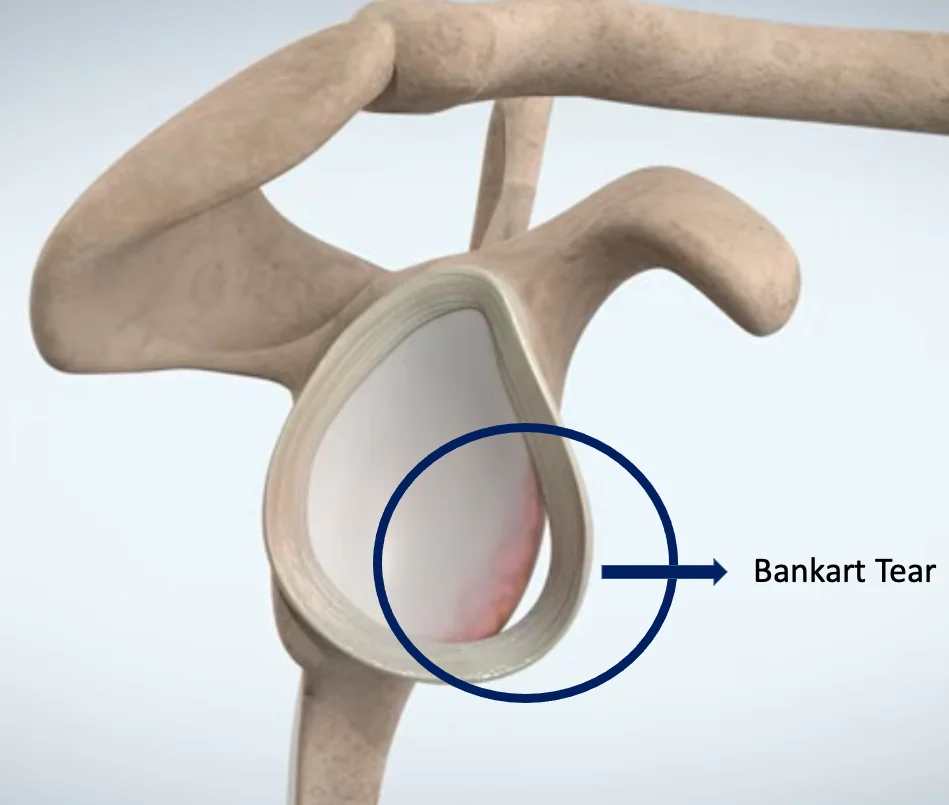
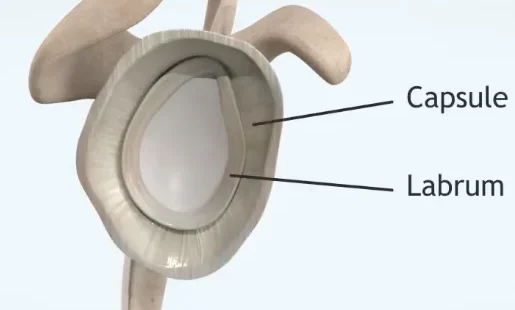
People who dislocate a shoulder develop a Bankart lesion and/ or Hill-sach’s lesion. A bankart lesion is tear in capsule and labrum tissue which hold the shoulder joint in place. A Hill-Sachs lesion is like a dent in the ball of your upper humerus. After dislocation head of humerus is pressed against the glenoid neck and rim of scapula, which damages or dent the head of humerus (ball).
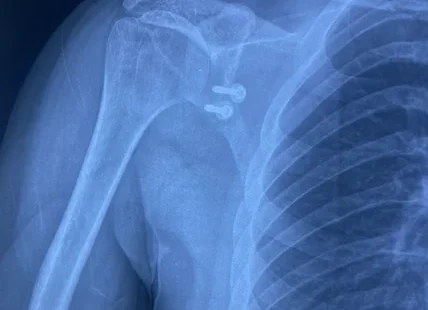
Orthopaedic surgeon can easily diagnose a dislocated shoulder with a physical exam and few examination test in emergency room or clinic.
Investigations needed to diagnose and plan further management of shoulder dislocation.
Go to the emergency room right away if you think your shoulder might be dislocated.
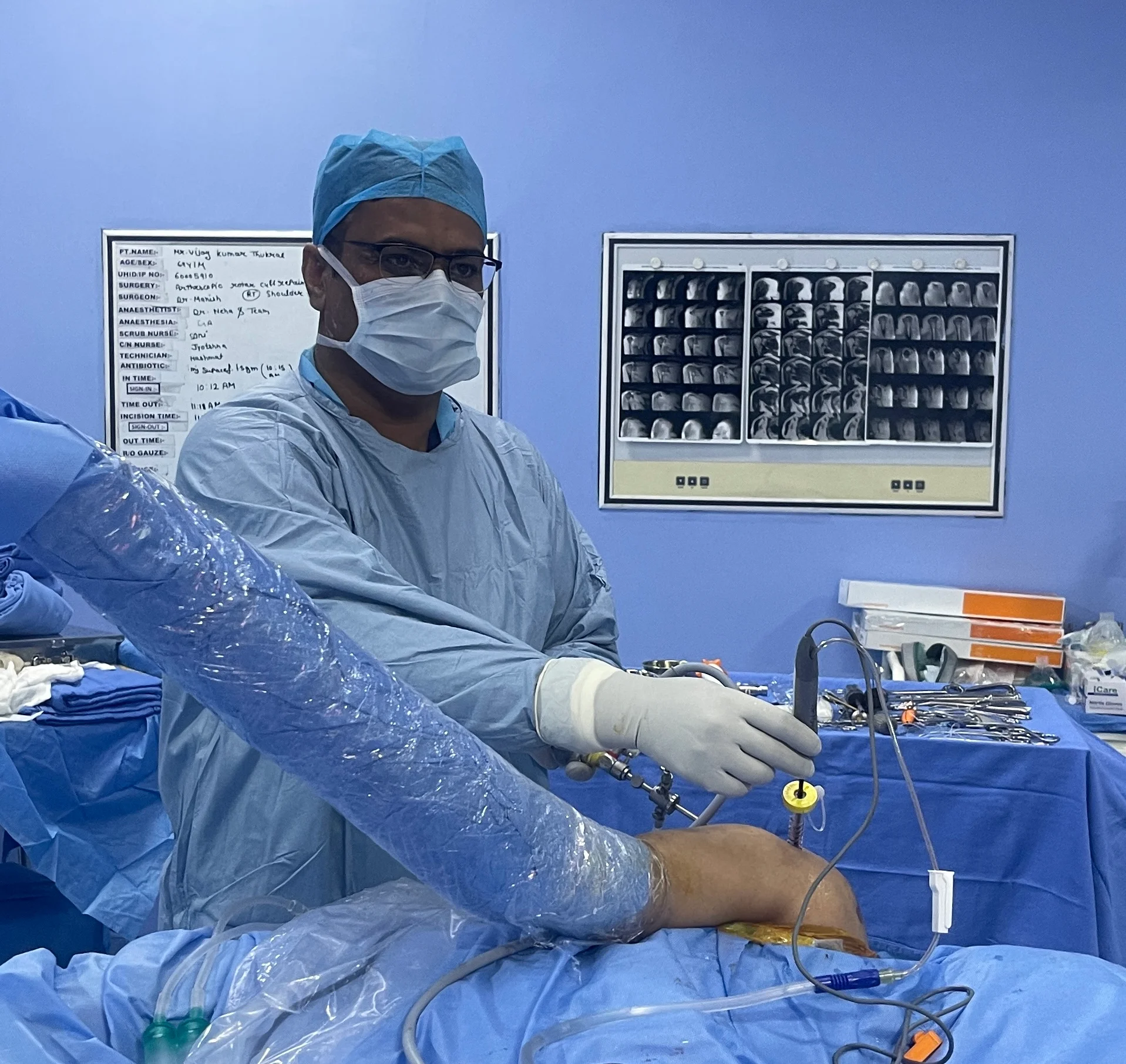
The most important treatment for a dislocated shoulder is getting your arm back into its socket. This is called a closed reduction or manipulation. During this nonsurgical procedure, The Orthopaedic surgeon will physically manoeuvre to set (align) your shoulder under sedatives to relax the body.
Don’t try to reduce shoulder joint in place by yourself. Don’t let anyone who’s not a trained professional healthcare provider move your injured shoulder. Immobilise shoulder joint as still. If you try to force a dislocated shoulder back in place on your own, you can make your injury worse and damage the tissue around it.
After your provider puts your joint back in place, you might need other treatments, including:
Most people make a full recovery after dislocating their shoulder. Even if you need surgery, you should be able to return to most or all your activities and sports after your shoulder has healed.
You’re much more likely to re-injure a shoulder you’ve dislocated before. Some studies have found that more than 90% of athletes younger than 25 who dislocate a shoulder during a contact sport re-injure the same shoulder in the future.
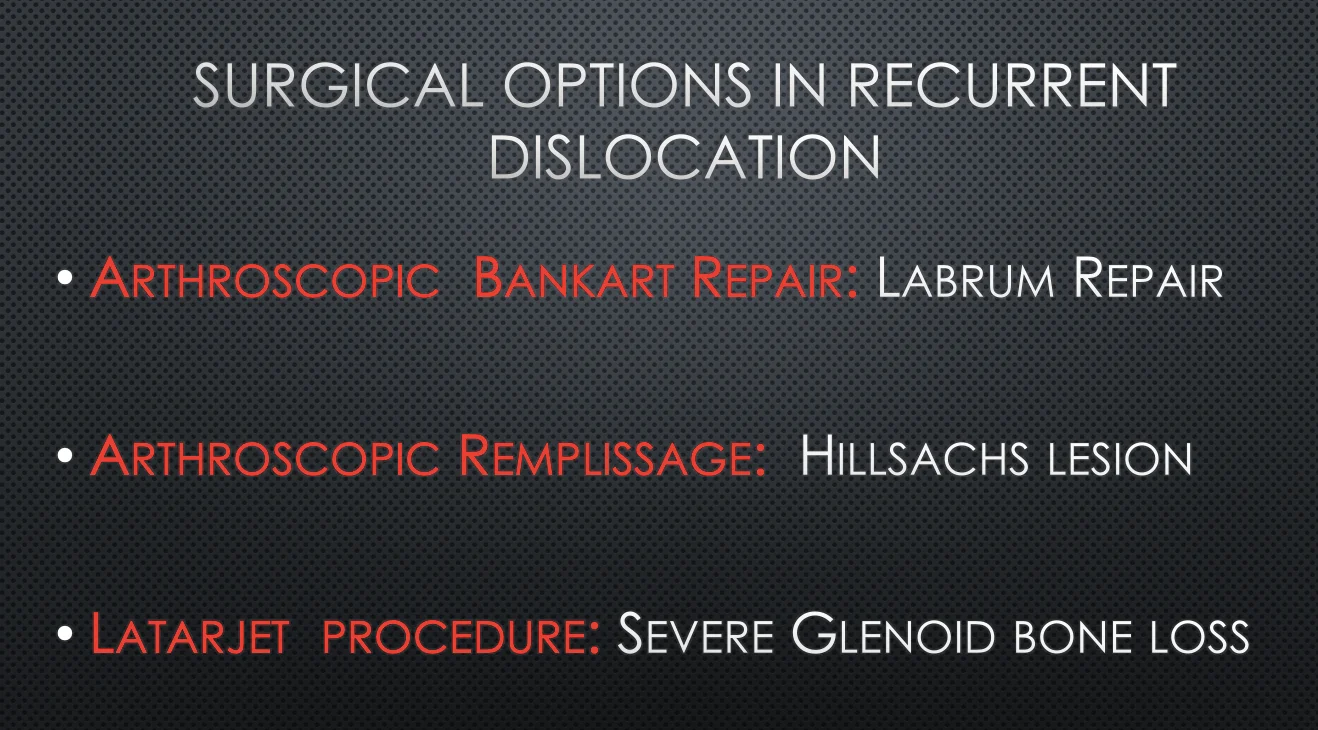
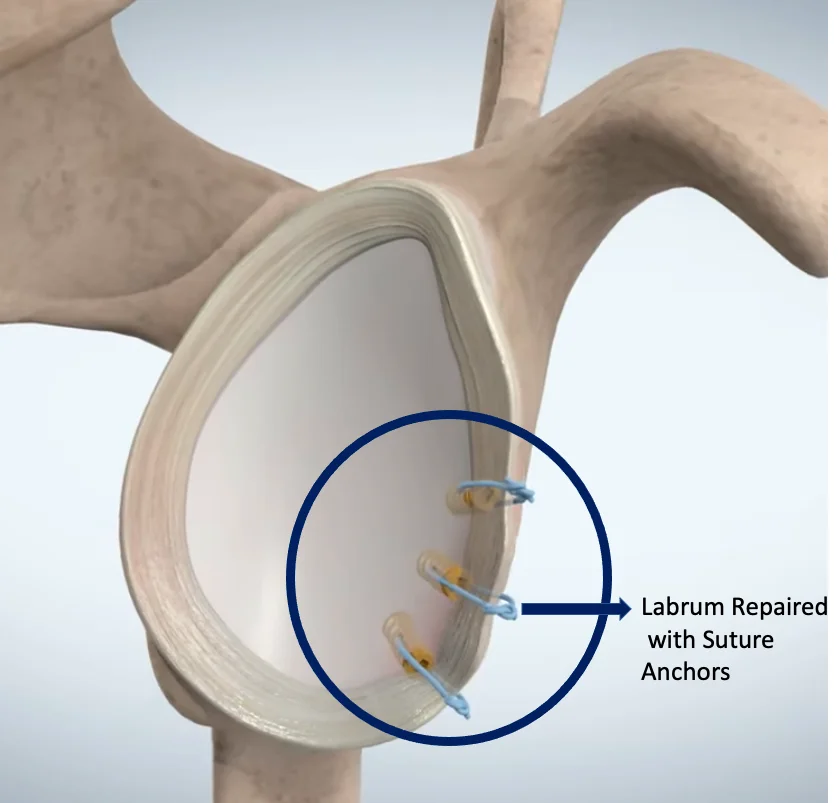
You can’t always prevent a dislocated shoulder. It usually happens because of unexpected accidents and trauma.
During sports or other physical activities:
Go to the emergency room if you’ve experienced trauma.
If you think your shoulder is dislocated:
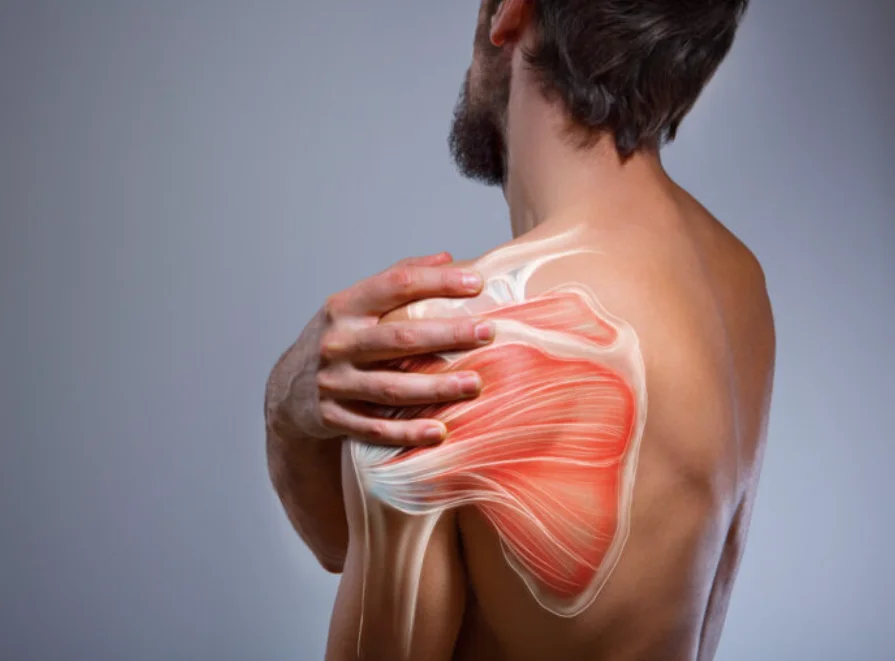

A dislocated shoulder happens when something forces the ball-shaped head of your upper arm bone out of the socket in your shoulder blade. Falls, sports accidents and other trauma usually cause dislocated shoulders. Shoulders are the most commonly dislocated joint.
Never try to reduce your shoulder back in place on your own. Don’t let anyone other than a healthcare provider touch or move it. Go to the emergency room right away if you think your shoulder is dislocated or you can’t move or use your arm.
Morning:
Yatharth Hospital (9:00 A.M - 4:00 P.M)
Evening:
Pitampura (5:00 P.M - 7:00 P.M)
Copyright © 2025 Sports Injuries Joint Replacement. Powered by TechPropellers.