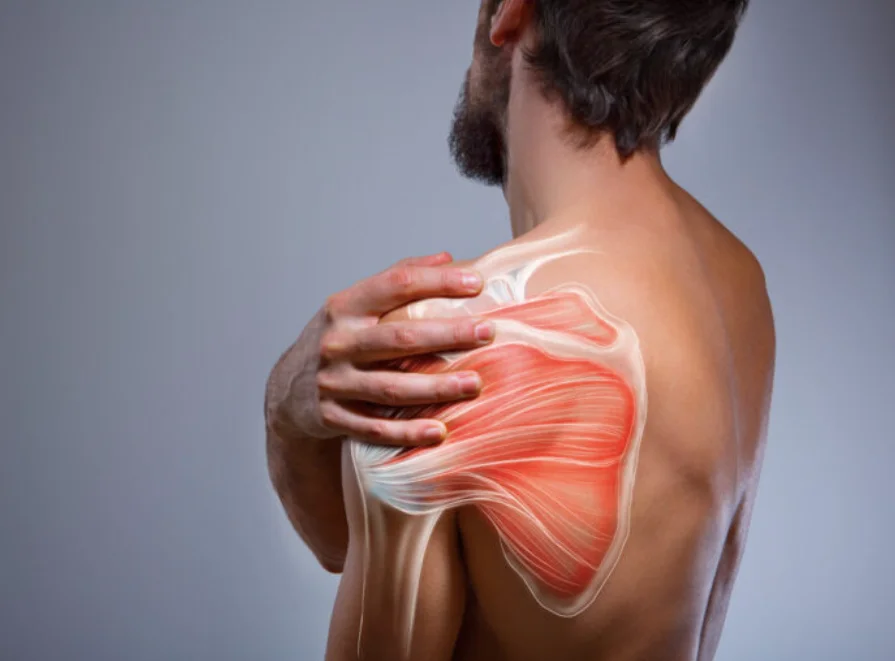
Frozen shoulder, also called adhesive capsulitis, is a condition involving pain and stiffness in shoulder joint. Symptoms usually start slowly and progress to get worsen over time. After one year symptoms typically get better. The risk for developing frozen shoulder increases if shoulder is kept still for a long time.
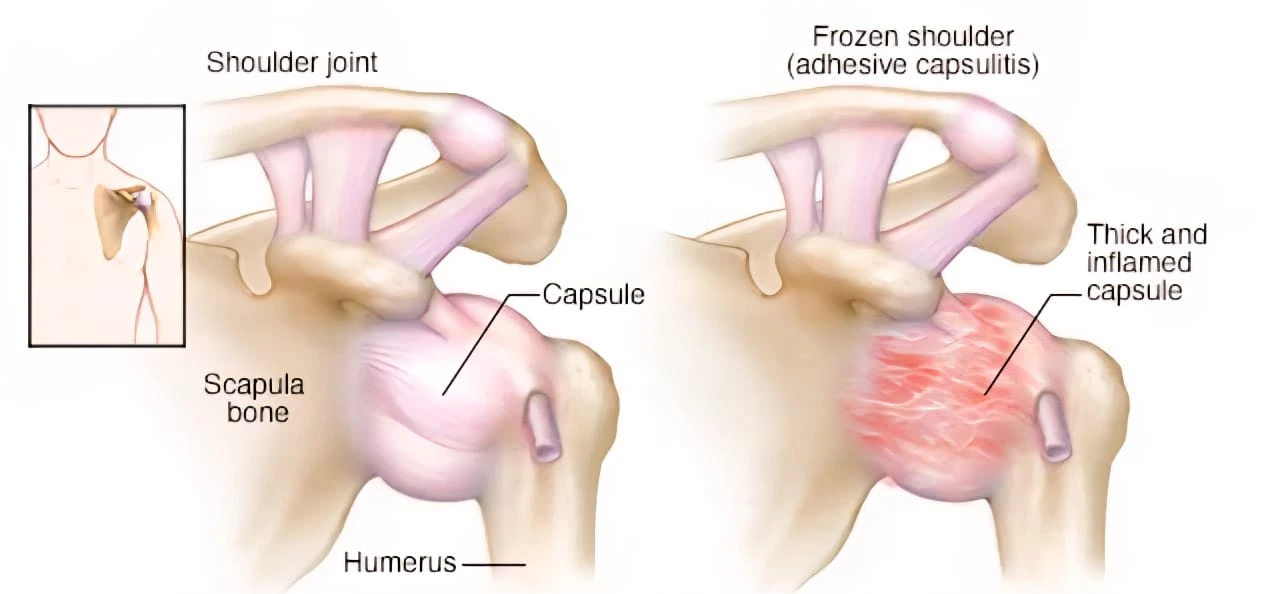
Frozen shoulder (adhesive capsulitis) occurs when the strong connective tissue surrounding your shoulder joint (called the shoulder joint capsule) becomes thick, stiff and inflamed.
Frozen shoulder is a painful condition in which your shoulder movement becomes limited.
Frozen shoulder occurs when the shoulder joint capsule (strong connective tissue surrounding shoulder Joint) becomes thick, stiff and inflamed. The joint capsule firmly holding the shoulder joint in place.
Lack of use causes shoulder capsule to thicken and become tight, making shoulder even more difficult to move — it’s “frozen” in its position.
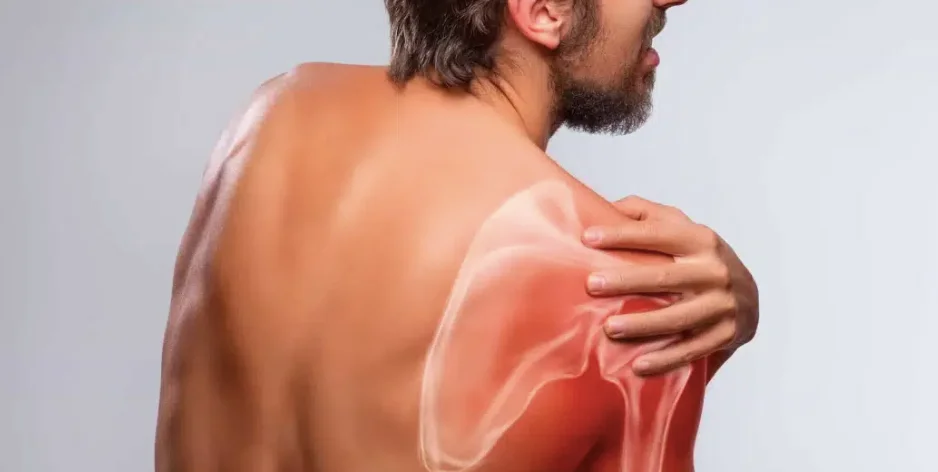
The exact reason of why frozen shoulder develops is still not known. The condition occurs when inflammation causes the shoulder joint capsule to thicken and tighten. The thick bands of scar tissue called adhesions develop over time along with less synovial fluid to keep shoulder joint lubricated. This makes it more difficult for shoulder to move and rotate properly.
The following risk factors increase your likelihood of developing frozen shoulder:
To diagnose frozen shoulder (adhesive capsulitis), Orthopaedics surgeon will discuss your symptoms and review your medical history followed by clinical examination of shoulder joint.
Frozen shoulder treatment usually involves pain relief methods until the initial phase passes. You may need therapy or surgery to regain motion if it doesn’t return on its own.
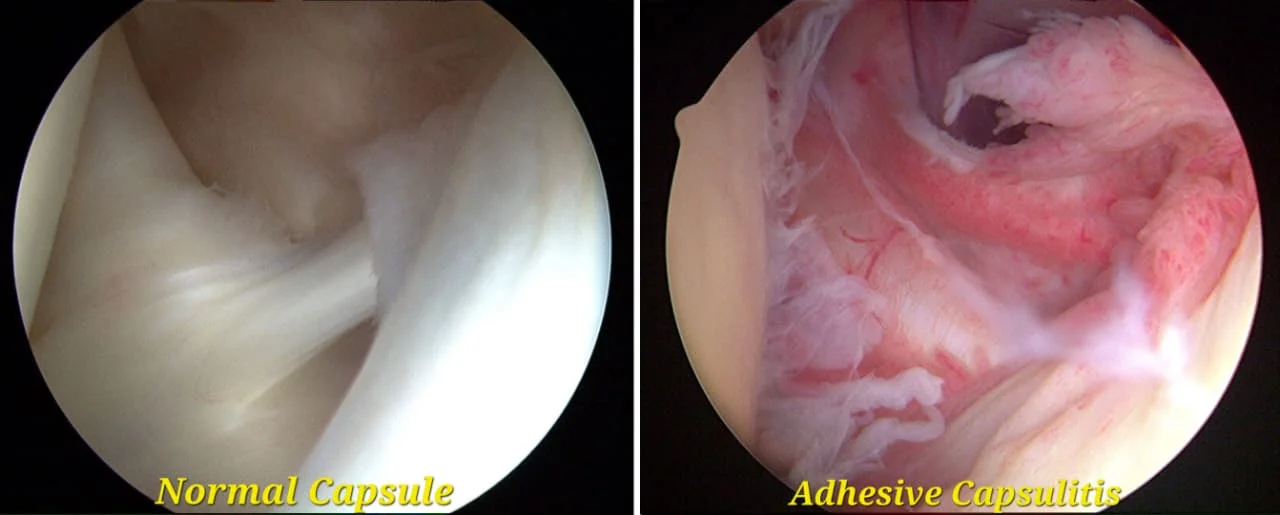
Orthopaedics surgeon trained in shoulder surgeries often use these two procedures together to get better results.
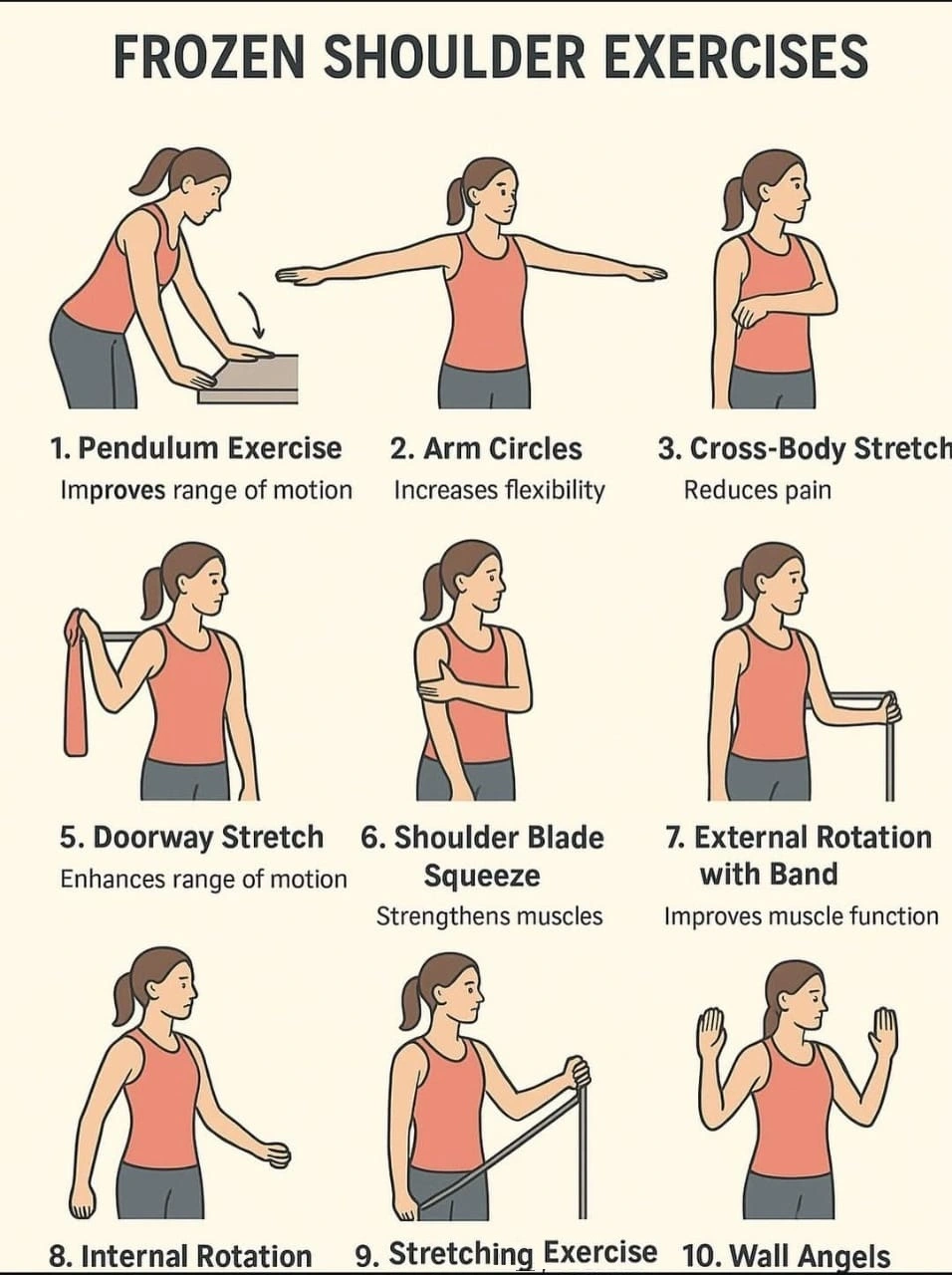
You can reduce your risk of frozen shoulder if you start physical therapy shortly after any shoulder injury in which shoulder movement is painful or difficult. Orthopaedic surgeon or physical therapist can develop an exercise program to meet your specific needs.
Frozen shoulder (adhesive capsulitis) can be a debilitating condition to live with. The pain and stiffness in shoulder joint can make it difficult or even impossible to perform daily activities that one can once did with ease. If home treatments like rest and pain relievers don’t help, reach out to your Doctor. He / she may recommend physical therapy or other non-invasive measures to start. Surgery is an option for frozen shoulder that doesn’t go away after an extended period. Doctor can help you find the best treatment option for you.
Morning:
Yatharth Hospital (9:00 A.M - 4:00 P.M)
Evening:
Pitampura (5:00 P.M - 7:00 P.M)
Copyright © 2025 Sports Injuries Joint Replacement. Powered by TechPropellers.