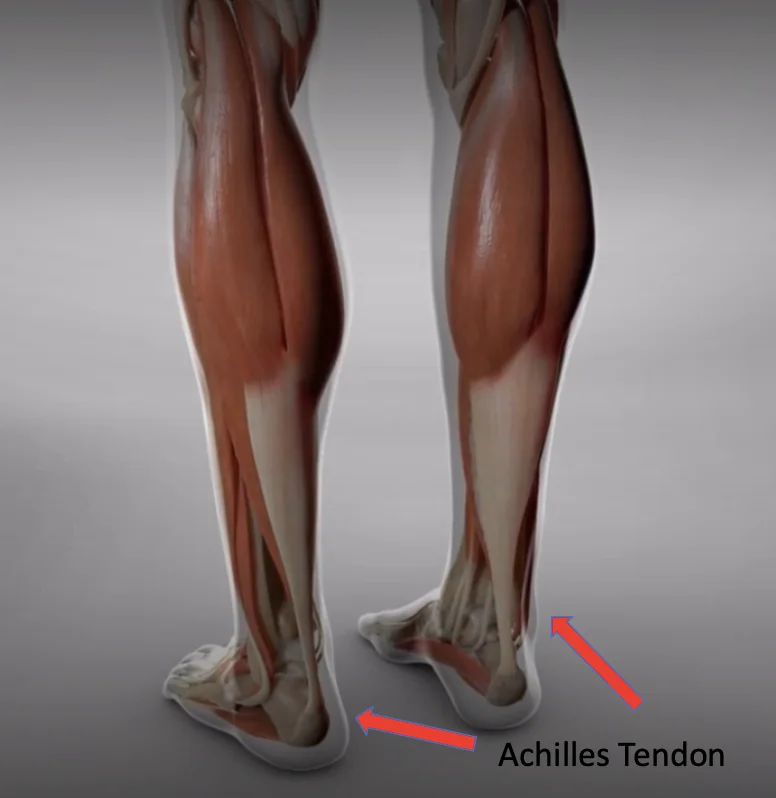
The Achilles tendon attaches the calf muscle to the heel bone. This thick band of tissue is very strong. In fact, the Achilles tendon is the largest and strongest tendon in the body. The Achilles tendon gives your leg strength to walk, run and jump.
An Achilles tendon rupture can be full or partial tear . This acute (sudden) injury occurs when the tendon stretches to its breaking point. It happens most frequently while playing sports. Tripping, falling or twisting your ankle can also cause an Achilles tear.
If you’re dealing with an Achilles tendon injury, don’t hesitate to contact sports medicine specialist Dr. Manish Aroraa today to schedule an appointment. We have extensive experience to accurately diagnose and effectively treat Achilles tendon injuries.
The classic sign of a ruptured Achilles tendon is feeling (and sometimes hearing) a pop or snap at the back of your ankle. People often mistakenly think something has hit them, but they’re actually feeling the tendon snap.
If you have an Achilles tendon injury, you should seek medical attention to get properly diagnosed. The Doctor will listen to your symptoms and perform clinical examination.
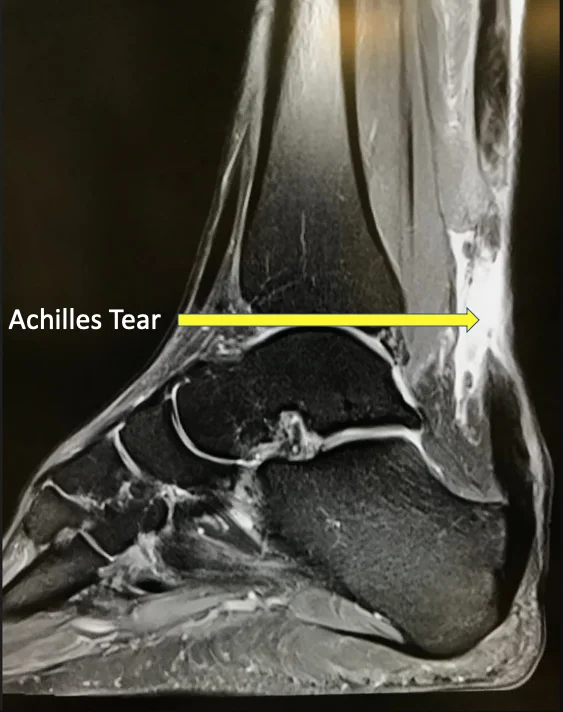
You might need an imaging test like an X-ray and MRI. This will not only confirm the diagnosis of ailment and also elucidate the severity of injury..
As you talk with Dr. Manish Aroraa, he will discuss your symptoms, desired outcomes and the best way to manage your concern.
There are multiple injuries that can occur with your Achilles tendon. These include:
It is break in continuity of tendon. Tear can be small or large depending on kind of injury. Regardless of the size, tendon tears can cause pain, swelling, and limited movement. In some cases an Achilles tendon tear emerges suddenly after an injury. However, in other cases, it develops over a time.
It is caused by a thickening, fibrosis or calcification of the tendon. It occurs due to continual use or as the result of the aging process.
It can be experienced if there is an irritation of the bursa – which is a sac of fluid that safeguards the Achilles tendon at your heel. It also occurs due to continuous use of ankle.
It occurs frequently while patients are involved in activities such as running or walking. The repetitive motion can eventually create an inflammation of the tendon which results in pain and stiffness at the back of the heel.
Your Achilles tendon bears a lot of stress and pressure during everyday activities, as well as during athletic and recreational play. Achilles injuries can occur due to the tendon’s limited blood supply, especially near the heel bone. This poor circulation can slow the healing process and increase the risk of further damage if left untreated.
A torn Achilles tendon is a traumatic injury that requires medical attention. Without treatment, an Achilles tendon rupture may not heal properly. This can increase your risk of rupturing it again.
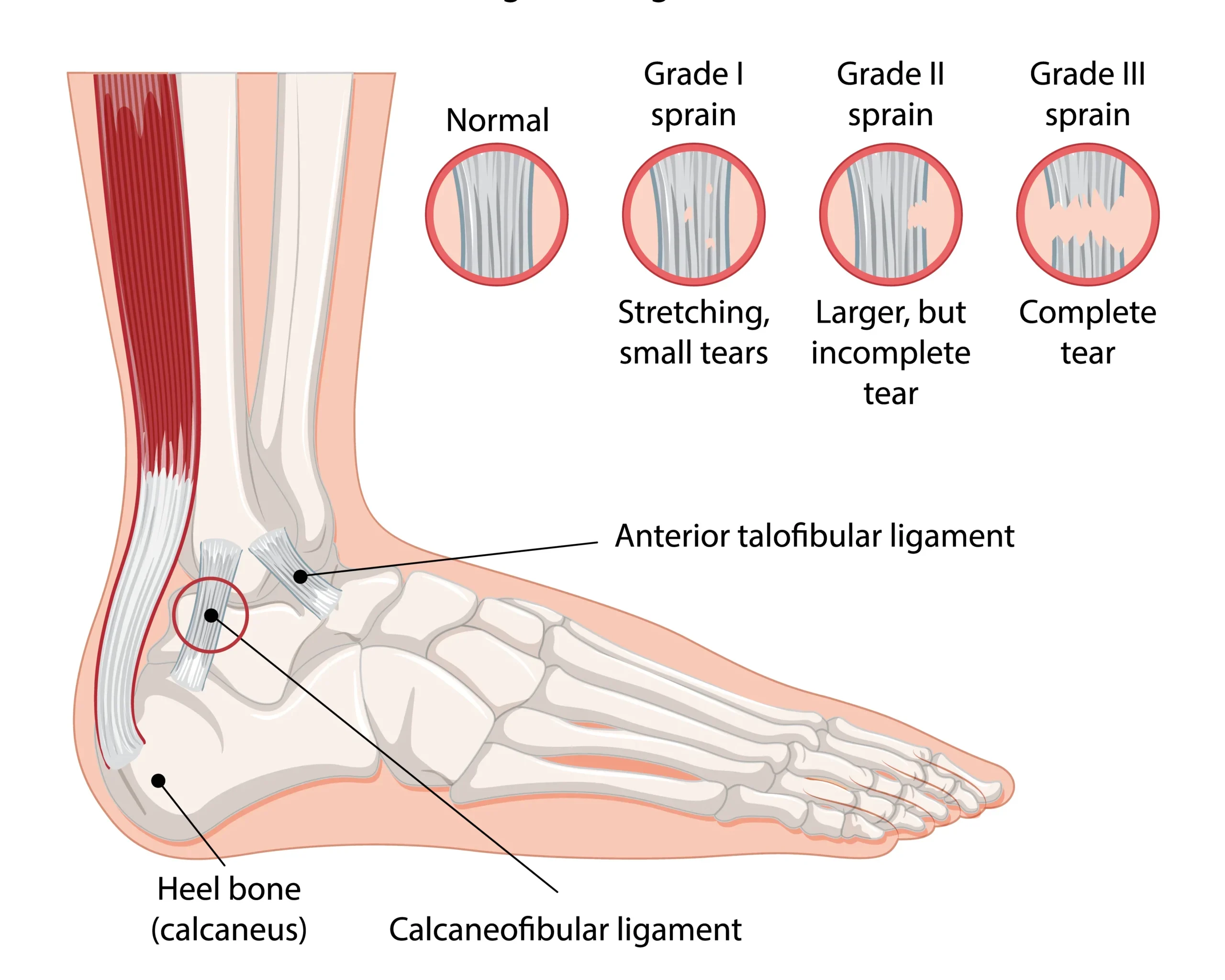
Treatment depends on the grade or level of tendon injury at presentation. Some common treatment options include Non-surgical / Physical therapies or Surgery.
Depending on whether the tendon is partially torn, fully ruptured or degenerated tear over time, surgical options can range from Minor Repairs to Complete Reconstruction.
Achilles tendon damage can result from different causes depending on your age and activity level. Younger patients often experience ruptures due to sudden, high-impact movements. Older adults, especially those who stay active in sports like tennis or pickleball or due to ageing may develop chronic degeneration over time that can lead to tear.
The Surgical approach depends on the extent and location of tendon damage. We will thoroughly evaluate your condition using Ultrasound & Magnetic Resonance imaging diagnostic tools to determine the best course of action.
Achilles tendinosis, bursitis and Haglund’s deformity not responding to conservative treatment can be easily cured with simple and short procedure of Arthroscopy. The next you are mobilized and made to walk.
This surgery involves repairing the torn ends to one another after a rupture. The surgery may involve open, mini-open or percutaneous techniques.
In cases of tendon degeneration or bone spur development, this procedure removes damaged tendon tissue or bone spurs and repairs the remaining healthy tendon with help of Biodegradable Fixation anchors.
When the tendon is severely damaged or tendon tear is of long duration which has led to retraction of tendon away from its natural insertion on heel bone that it cannot be directly repaired.
You can’t always prevent an accidental injury like tearing your Achilles tendon. But you can take steps to reduce the risk of an Achilles tendon rupture, including:
Don’t let Achilles tendon Pain hold you back from doing what you love. Remember that every injury is unique, and what works for one person may not be optimal for another. This is why specialized evaluation by a Orthopaedic surgeon specializing in sports medicine is invaluable in developing the most effective treatment strategy for your specific situation.
Trust your care to one of the most experienced and respected orthopedic surgeons in the country. Schedule a consultation with sports medicine specialist Dr. Manish Aroraa today and take the first step toward recovery.
Morning:
Yatharth Hospital (9:00 A.M - 4:00 P.M)
Evening:
Pitampura (5:00 P.M - 7:00 P.M)
Copyright © 2025 Sports Injuries Joint Replacement. Powered by TechPropellers.