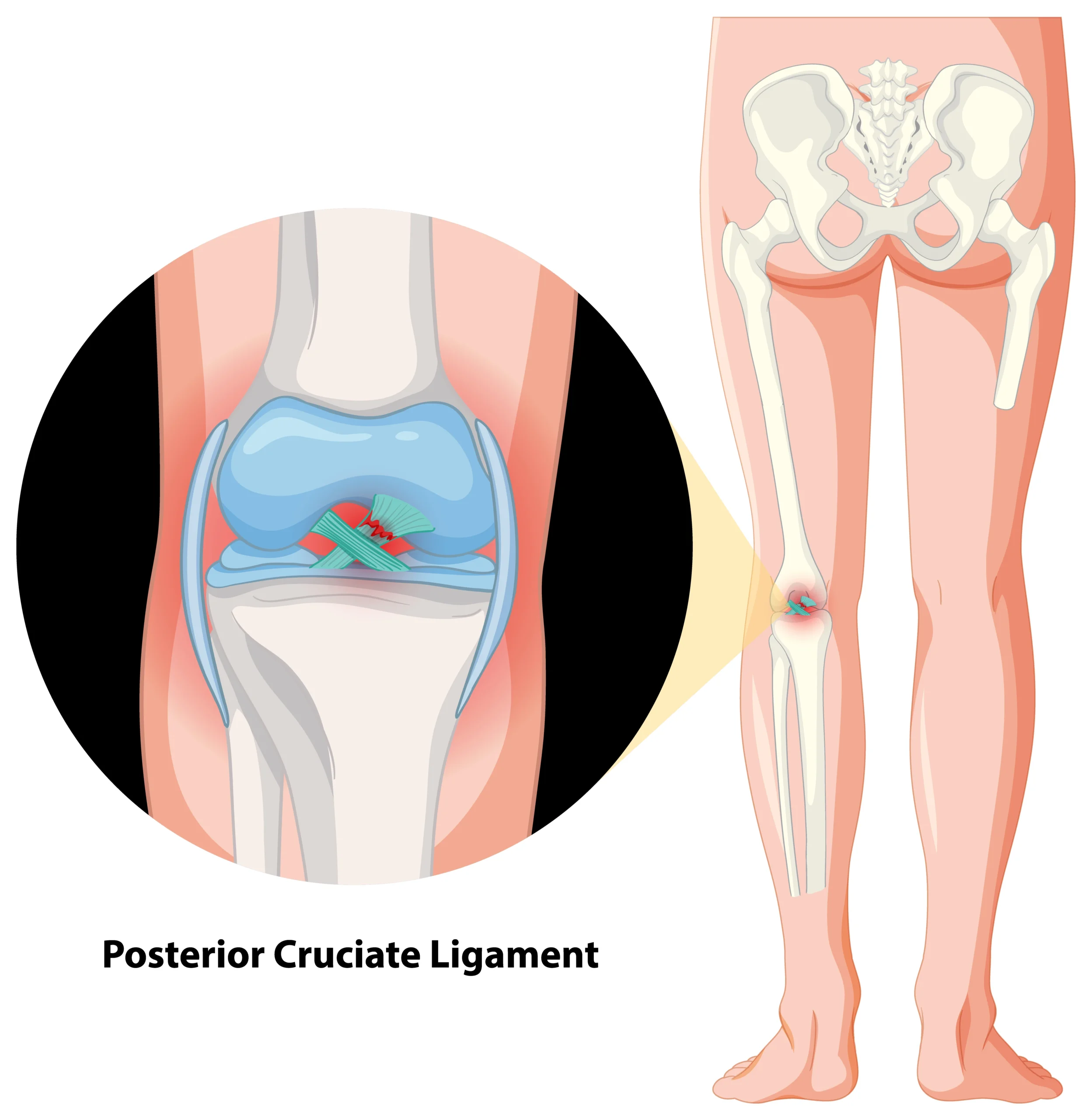
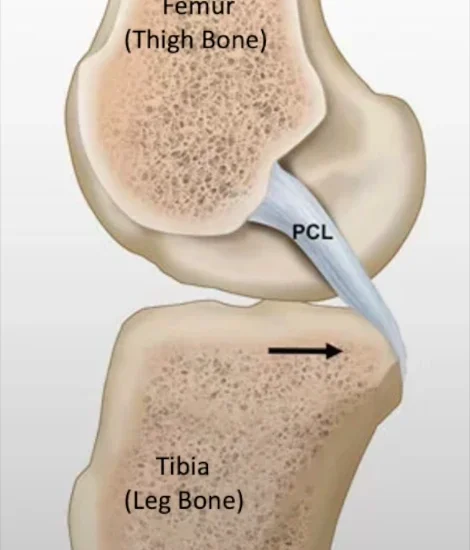
Posterior cruciate ligament (PCL) runs along the back of your knee and connects your thighbone to the top of your lower leg bone. PCL Ligament keeps your bones in place and helps your knee move smoothly. When the PCL is sprained or torn, it’s called a posterior cruciate ligament injury. People with a PCL injury will have pain, swelling and other symptoms
Who are at risk for PCL injury ?
Posterior cruciate ligament injuries are common among skiers and athletes who play baseball, football, wrestling or Dash board injury following road traffic accident.
How common are posterior cruciate ligament injuries?
Posterior cruciate ligament injuries are far less common than ACL. In fact, PCL injuries accounts for less than 20% of all knee ligament injuries. Most commonly, PCL tears occur with other ligament injuries. Isolated PCL tears are even less common.
A partial tear is present in the ligament.
There’s a partial tear and the ligament feels loose.
The ligament is completely torn and the knee is unstable.
The PCL is injured along with another knee ligament is damaged.
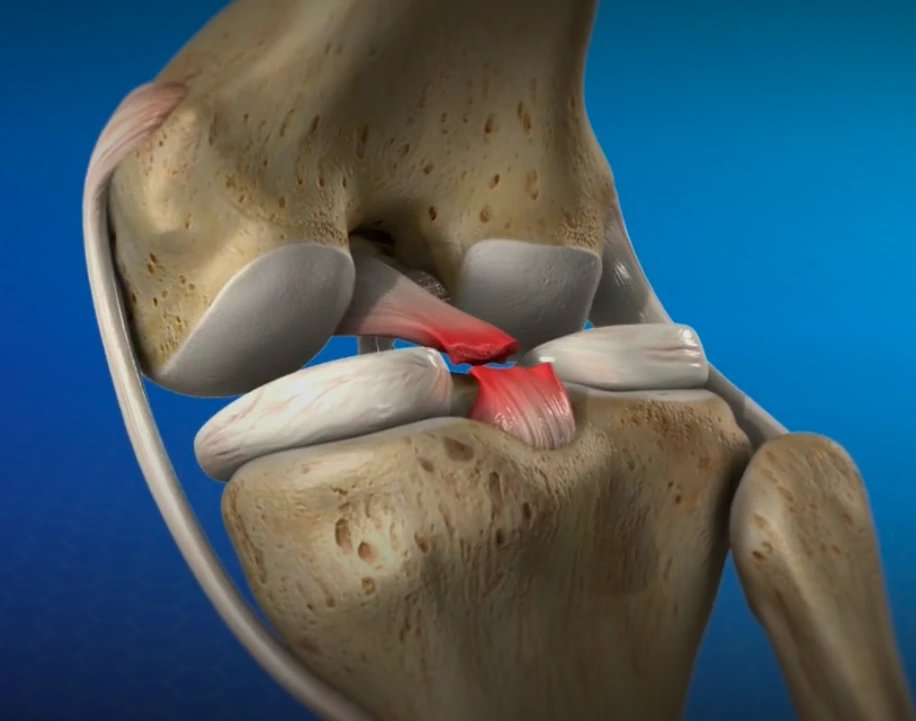
In partial PCL tears, people may still be able to walk and their symptoms may be less noticeable. However, after complete PCL tear people have severe difficulty walking and some even can’t weight bear and tends to fall down.
PCL injuries usually occur with severe knee trauma. You may develop a problem with your PCL if you:
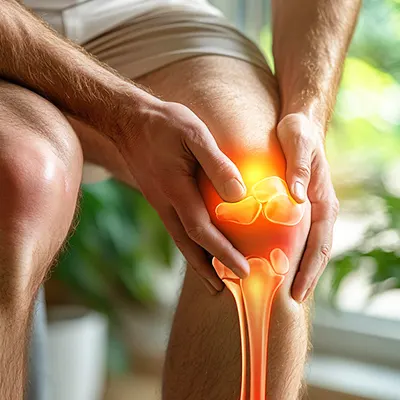
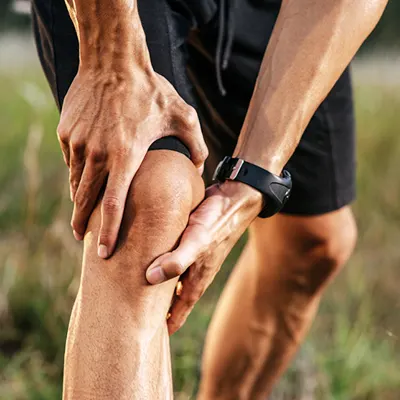

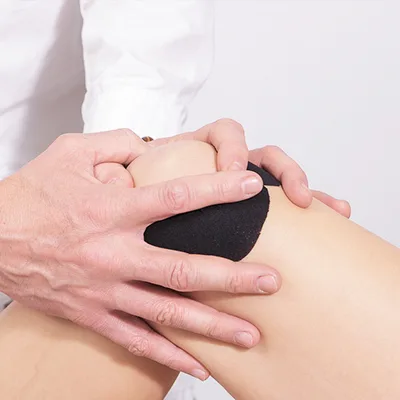

Doctor will examine your knee, check your range of motion and ask about your symptoms.
Special Tests to Diagnose PCL tear :
They may also request imaging tests to determine the extent of damage.
These tests may include:
It depends on the severity of your PCL injury.
Common posterior cruciate ligament treatments include:
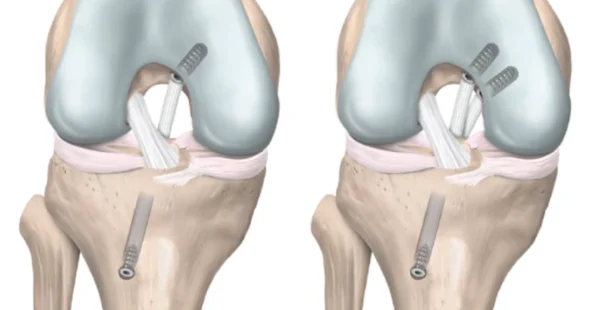
Though complications are rare, there are certain risks associated with knee arthroscopy.
These include:
Recovery time can vary from person to person. After an Arthroscopic surgery to repair or reconstruct PCL, recovery could take about six to nine months.
If you’ve injured your PCL, there are ways to ease discomfort and promote healing.
Recommendations include:
If your PCL injury is minor, you may heal without any surgery and with out any complications.
If the ligament sustained severe damage, your knee could become weak and prone to re-injury unless you have surgery.
People who undergo PCL surgery enjoy improved stability and mobility following recovery.
If you have a sedentary office job, you’ll be able to return to work rather quickly with in few days following surgery. However, if you have a job that requires physical exertion, such as lifting heavy weight, athletes or high level contact sportsman, then you have to give rest to knee joint for optimal healing of ligament to bone before one return to aggressive sports.
PCL injury is usually high velocity injury, so It can be difficult to prevent PCL injuries altogether.
However, there are few things one can do to reduce your risk:
Prompt medical attention is necessary after a serious PCL injury.
You should contact your healthcare provider if:
If you are exhibiting any of these symptoms, seek care immediately.

Although PCL injuries can be painful and debilitating, they can be treated successfully with proper care. Neglecting PCL injuries can lead to cartilage and meniscus damage further preponing knee osteoarthritis.
Its wise to listen to your healthcare provider’s recommendations in order to speed up your recovery so you can return to normal life.

Morning:
Yatharth Hospital (9:00 A.M - 4:00 P.M)
Evening:
Pitampura (5:00 P.M - 7:00 P.M)
Copyright © 2025 Sports Injuries Joint Replacement. Powered by TechPropellers.