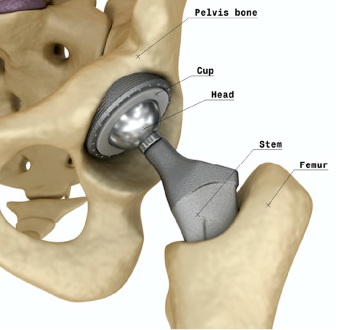
If you suffer from hip pain due to severe arthritis, a fracture or inflammatory deteriorating condition, every movement can cause distress and discomfort. Over more than a million hip replacement procedures are performed in India every year. Understanding the causes of hip conditions and when you may need surgery can help you live more comfortably and continue the activities you love.
Hip replacement surgery, also called as Hip Arthroplasty, is a procedure where a damaged or diseased hip joint gets replaced with an artificial implant. Patient is being recommended hip replacement surgery if he/she suffers from Hip Pain due to Trauma or a Degenerative condition.
Hip replacement symptoms include:
This pain persists when rest, physical therapy, or anti-inflammatory medications don’t help.
Difficulty walking, climbing stairs and need of walker or stick to walk around or performing routine activities like putting on socks and shoes.
The inability to bend, flex, or rotate your hip.
Swelling or tenderness around the hip joint that doesn’t improve with rest.
When the hip joint feels unstable or gives out unexpectedly.
The leading issues and diseases that may necessitate hip replacement surgery are:
The most common type of arthritis is osteoarthritis. This degenerative disease causes wear and tear to the joints, breaking down the cartilage that cushions the ends of bones. This gradual breakdown of the cartilage leads to joint stiffness, discomfort, and reduced range of motion and activity. Osteoarthritis is typically age-related, but genetics and joint trauma can also lead to osteoarthritis.
Unlike osteoarthritis, rheumatoid arthritis or Ankylosing spondylitis are chronic autoimmune disorder where your body’s immune system mistakenly attacks the tissues lining your joints. Its because hip joints are larger than joints in other areas of your body, you may not immediately notice the breakdown of hip cartilage. See your physician immediately if you experience hip pain, stiffness, or inflammation. They’ll determine the progression of the disorder and decide if hip replacement surgery is your best option.
It's a condition where bone tissue dies due to lack of blood supply. Without adequate blood flow, the bone tissue gradually weakens and then collapses. When the disease affects your hip, this deterioration occurs where the ball-shaped top of your femur fits into your hip socket. Various factors can cause osteonecrosis, including injury, frequent steroid or alcohol use and autoimmune disorders.
If you’ve suffered hip damage due to a sports injury, car accident, or fall, you may require partial or total hip replacement surgery. Arthritis can also develop after an injury – this is known as post-traumatic arthritis and can compromise the hip’s function and movement. A hip replacement can help restore mobility and alleviate pain.
A surgeon will replace your entire hip with a prosthetic joint. They’ll replace the top of your thigh bone and the socket it fits into. Almost all hip replacement surgeries are total hip replacements.
Your surgeon will replace only Femur head and a part of your hip.
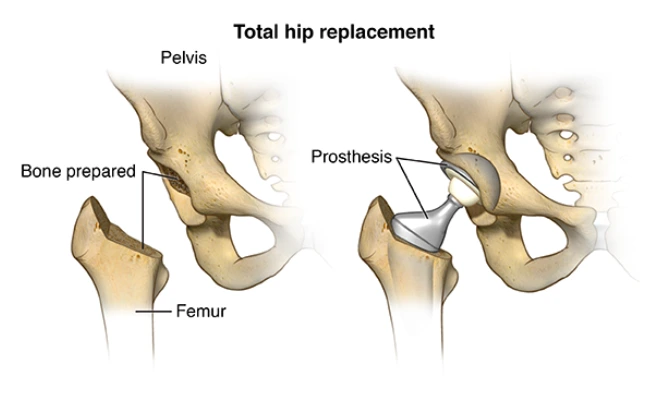
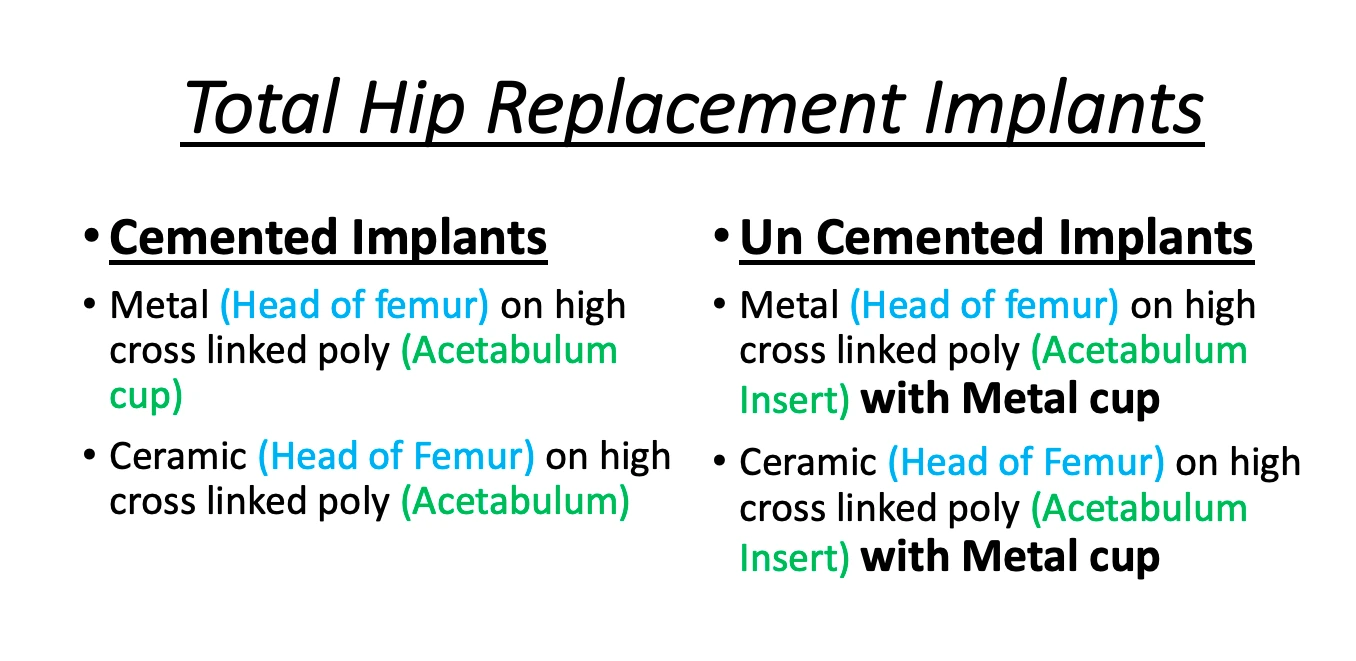

Total Uncemented Hip replacement with Ceramic (Head of Femur) on high cross-linked poly (Acetabulum Insert) with metal Acetabulum shell.
Surgeon will perform a physical exam and some tests before your hip replacement surgery. He will ask you about your symptoms and check your current range of motion.
You’ll probably need several tests before a hip replacement, including:
You might need other imaging tests in addition to X-rays, including:
Hip replacement surgery usually follows these steps:
Hip replacements usually take one to two hours. Your surgeon will tell you how long your surgery will take based on the type you need. However, that time may vary based on specific factors such as 1) Complexity of the procedure, 2) Age of the patient, 3) Associated challenges.
Hip replacement surgeries are usually very successful. Most people who have a hip replacement experience a dramatic decrease in their symptoms — especially pain and stiffness.
Once you’re fully recovered, you should have increased mobility. A hip replacement surgery usually makes it easier to walk, climb stairs and do other physical activities.
Post-Surgery Recovery:
Your surgeon or a physical therapist will give you stretches and exercises to start as soon as 24 hours after surgery. You will be able to stand and walk with walker the very next day of surgery. They’ll monitor the strength and flexibility in your leg and hip. And they’ll keep an eye on your ability to stand and sit.
Surgeon and Physical therapist will guide you how to independently
The stitches are removed after 2-3 week. It will probably take few weeks to recover from a hip replacement. You’ll need physical therapy for a few weeks.
It might take four- six weeks before you’re able to use your hip with no restrictions. During that time, you’ll need to do exercises that strengthen and stretch the muscles around your hip joint. You’ll slowly return to climbing stairs, bending and walking. Over time, your range of motion and strength will come back. Your age doesn’t necessarily mean your recovery will be faster or slower than anyone else’s.
The Surgeon and physical therapist team will give you a list of dos and don’ts after your surgery. In general, don’t:
Everyone’s recovery is unique. These restrictions won’t be permanent. Your surgeon will tell you what you can or can’t do, and when it’s safe to drive.
Prosthetic hip implants used in hip replacements usually more than 20 years. Lots of people who have hip replacements keep the implants for the rest of their lives.
Having any surgery can be scary, especially when it’s to replace a part of your body with a prosthesis. But hip replacements are extremely safe, effective and successful surgeries.
After your surgery, you’ll need time to strengthen your muscles and heal your body. Take your recovery slow and don’t rush yourself. Talk to your surgeon or physical therapist about your movement goals and which activities you’d like to participate in after your hip replacement.
Stiff, painful joints don’t have to slow you down for good. In joint replacement surgery we can help you get back to doing what you love.

Morning:
Yatharth Hospital (9:00 A.M - 4:00 P.M)
Evening:
Pitampura (5:00 P.M - 7:00 P.M)
Copyright © 2025 Sports Injuries Joint Replacement. Powered by TechPropellers.