High Tibial Osteotomy

What is High Tibial Osteotomy (HTO) Surgery?

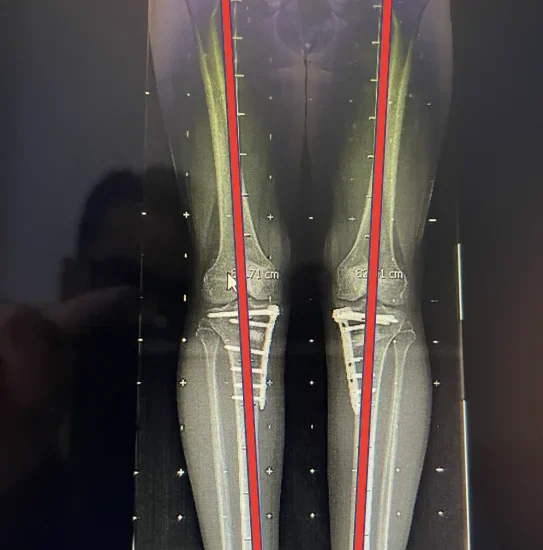
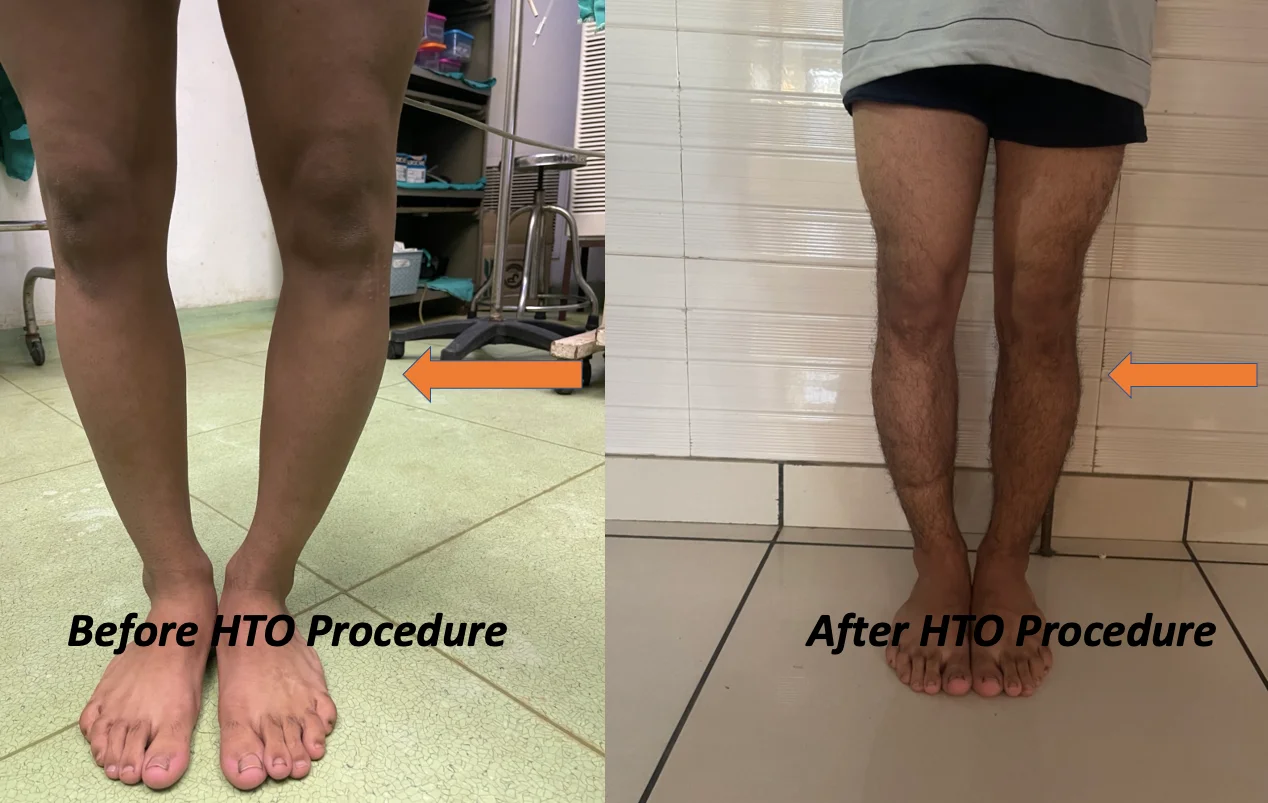
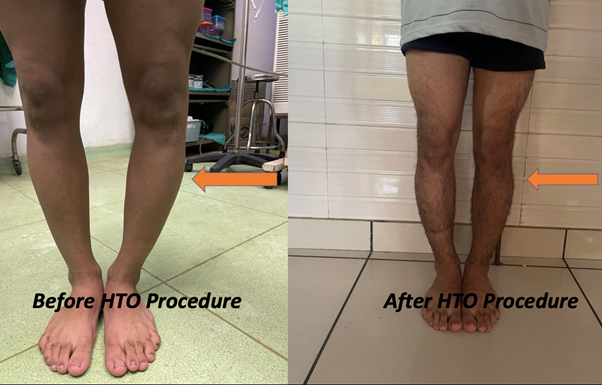
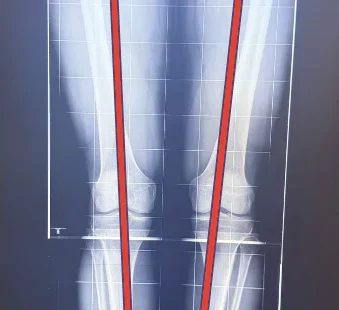
HTO is a procedure to correct the leg alignment by making a planned bone cut on the tibia. The goal is to shift the load from the damaged area to the healthier area, thereby reducing pain and functional problems.

High Tibial Osteotomy (HTO) : A well-established Treatment to cure early-onset (early medial compartment) knee osteoarthritis, especially in young, active patients.
How HTO helps
HTO works by:

When HTO is a good option

HTO is most useful when arthritis is:

Unicompartmental (mainly medial compartment)

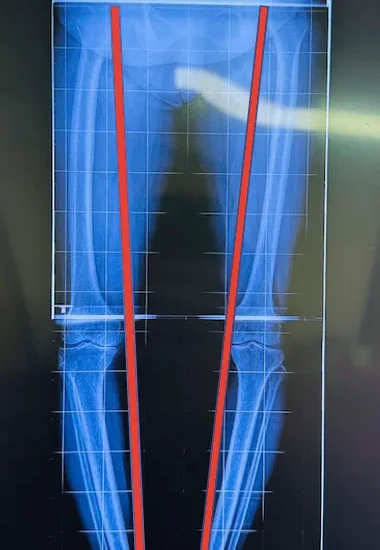
Associated with varus (bow-leg) deformity

In younger, active patients (usually < 55–60 years)

With good range of motion and stable ligaments

Minimal disease in lateral and patellofemoral compartments

What techniques are used?

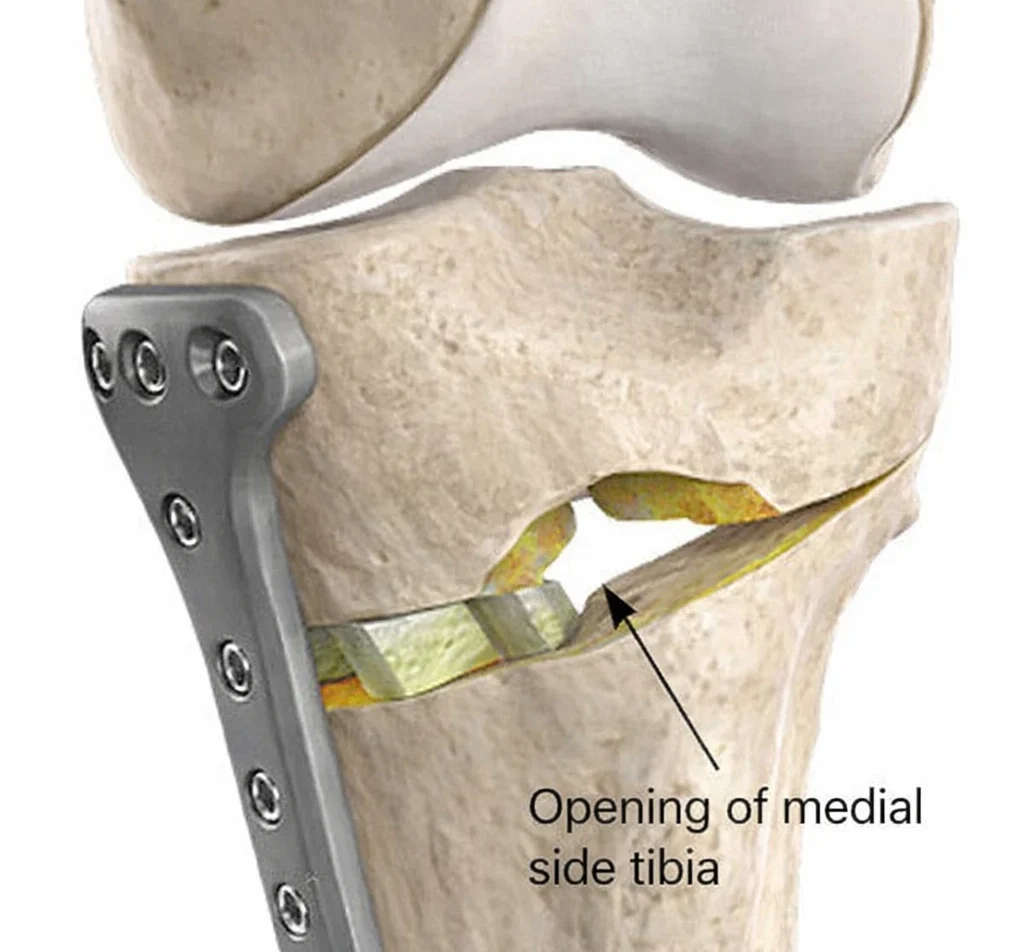
High tibial osteotomy is performed using two main methods: medial opening wedge and lateral closing wedge. The choice of technique is determined by the type and degree of deformity, cartilage status, bone quality, targeted correction amount, and the surgeon’s experience.

Medial Opening Wedge

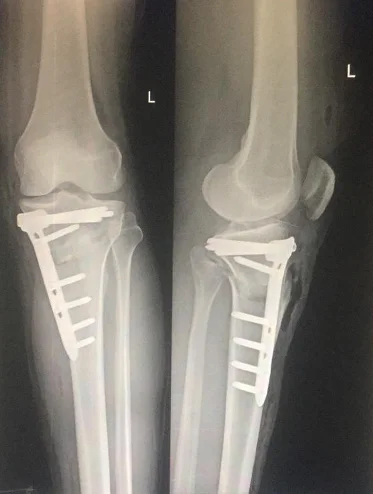
In the medial opening wedge technique, a controlled gap is created on the inner side of the tibia. The opened space is stabilized with a plate and screws and is supported with bone graft if necessary.

Lateral Closing Wedge

In the lateral closing wedge, a small wedge of bone is removed from the outer side of the tibia, and the line is closed to correct the alignment. Both techniques are chosen based on patient characteristics and the surgeon’s plan.


Who is not suitable for?

HTO may not be the right option for every patient. Alternative treatments may be considered if there is widespread arthritis, significant ligament instability, or uncontrolled systemic diseases.

The surgery may be avoided in the following individuals:

Who can benefit from HTO?

What are the benefits?

HTO can reduce pain and increase function. It also has the potential to delay the need for total knee replacement for many years.

Other benefits include:

What is preparation for surgery?

A good preparation process is important for a successful outcome. Lifestyle and medication adjustments may be made after imaging and planning.

The preparation phase includes:

Gear

Wear footwear and padding that is appropriate for your sport to help prevent injury. If you downhill ski, make sure your ski bindings are adjusted correctly by a trained professional so that your skis will release appropriately if you fall.

Wearing a knee brace doesn't appear to prevent ACL injury or reduce the risk of recurring injury after surgery.

Diagnosis

During the physical exam, your doctor will check your knee for swelling and tenderness — comparing your injured knee to your uninjured knee. He or she may also move your knee into a variety of positions to assess range of motion and overall function of the joint.

Often the diagnosis can be made on the basis of the physical exam alone, but you may need tests to rule out other causes and to determine the severity of the injury.

These tests may include:

Treatment

The immediate first-aid care aims at alleviating pain and swelling. It comprises of the R.I.C.E. model of self-care at home:

The Doctor will suggest treatments to manage your pain and other symptoms.

  • Crutches.
  • A brace that holds your knee in place.
  • Analgesics pain medicine like NSAIDs (nonsteroidal anti-inflammatory drugs).
  • Physical therapy: Interferential Therapy, ultrasonic.

Hospital stay & recovery

How is the recovery?

Recovery after HTO is a step-by-step process involving controlled weight increase and goal-oriented physical therapy. Ice, elevation, and appropriate pain control are applied from the first days to reduce swelling and pain. Knee range of motion is maintained with gentle exercises. Crutches are generally used with partial weight-bearing for 4–6 weeks; if bone healing is sufficient during check-ups, a gradual transition to full weight-bearing is initiated.

Balanced, protein-rich nutrition, adequate hydration, avoidance of smoking, and regular adherence to home exercises support recovery.

High satisfaction rates have been reported with appropriate patient selection. Age, weight, activity level, and co-existing diseases affect long-term results. Satisfactory outcomes extending to 10–15 years and beyond have been reported. Knee Replacement surgery is postponed in majority of people.

How does physical therapy support recovery?

The physiotherapy program focuses on quadriceps activation, gaining knee flexion-extension, and correcting the gait pattern in the early stage; hip-core strengthening, balance-proprioception, and closed kinetic chain exercises are added in the mid-stage.

Resistance and repetition numbers are increased according to the patient’s pain, swelling, and muscle strength; exercises are modified. The return to low-impact sports (cycling, swimming), running is typically planned after 3 months.

In Conclusion

“HTO is a surgery that realigns your leg to reduce pressure on the damaged side of your knee, helping relieve pain and delay knee replacement.”